Google Paper Banana: a guide to PaperBanana for academic figures
People searching for Google Paper Banana are usually looking for PaperBanana, the web-based academic figure workspace powered by PaperVizAgent. It helps researchers turn study context, method descriptions, and chart data into reviewable drafts for papers, posters, grant decks, and technical presentations.
Google Paper Banana refers to searches for PaperBanana: a research-figure workflow that turns source material and figure intent into structured academic visual drafts for human review.
google paper banana: Topic and use case
Google Paper Banana searches often concern academic illustration workflows. Read original research separately from practical product instructions; this guide supports the PaperBanana homepage.
Worked figure brief
Prepare a methodology diagram brief with the method text, intended caption and required labels. Keep the research claim separate from stylistic preferences.
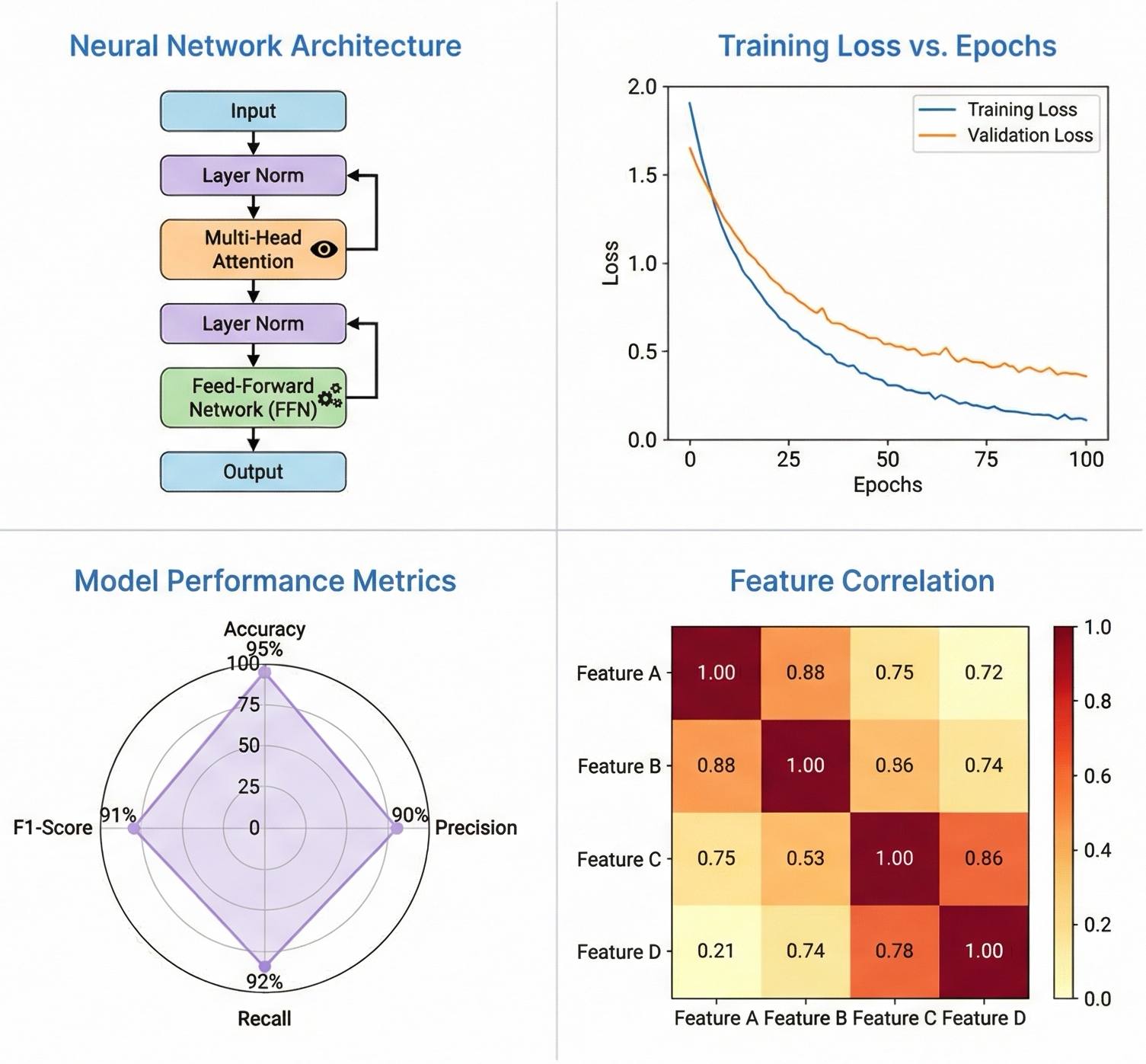
Google Paper Banana is a common search phrasing for finding PaperBanana. The product is designed for research communication: it helps authors and lab teams draft method diagrams, research workflows, model architecture visuals, and chart-based figures from the material that explains the work.
How PaperBanana creates research figure drafts
PaperBanana begins with the research brief instead of a broad image prompt. PaperVizAgent reads the supplied context, identifies the visual entities and relationships, then helps plan panels, labels, sequence, and figure hierarchy before a draft is generated for review.
When to use PaperBanana
Use PaperBanana when the research is understood but the visual explanation still needs structure. It is useful for manuscript figures, posters, proposals, lab updates, and teaching materials where readers need to follow a method, system, comparison, or result quickly.
PaperBanana is built for review, not unchecked publication
A generated draft is a starting point for academic communication, not a substitute for author review. Researchers should verify scientific accuracy, data values, labels, permissions, accessibility, and any journal or conference requirements before using a figure in a final submission.
Why search spelling variations lead to the same product
Queries such as paper banana google, google paperbanana, and paperbanana google all describe the same discovery intent: locating PaperBanana online. This guide uses the full product name and explains its research-figure workflow so visitors can confirm they have found the relevant tool.
What to prepare before generating a figure
The clearest drafts start with a concise source brief: the figure's main takeaway, the intended audience, essential terminology, data or method details, and any required labels or output constraints. That gives the workflow enough context to propose a structure worth reviewing.
How to use it
01Collect the study context, methods, chart data, or system description that the figure must explain.
02State the figure's purpose, intended reader, key takeaway, and any required panels or labels.
03Generate a structured draft with PaperVizAgent, then review the panel order, hierarchy, and terminology.
04Revise the brief or draft as needed, and complete author review before exporting for a paper, poster, or presentation.
ipaperbanana vs generic tools
ipaperbanana vs generic tools
Comparison criterion
PaperBanana
Other workflow
Starting point
Research context, figure intent, data, and required constraints.
A broad visual prompt with limited source structure.
Primary output
A reviewable academic figure draft with planned panels, labels, and hierarchy.
An open-ended image that may need substantial layout repair.
Best use
Explaining research methods, systems, workflows, comparisons, and results.
General visual ideation without an academic communication workflow.
Example input
Prepare a methodology diagram brief with the method text, intended caption and required labels. Keep the research claim separate from stylistic preferences.
Check the same labels and relationships when building the figure manually. Check the original paper for claims about its evaluated framework. Do not treat research benchmark results as measurements of a figure you generated.
Common questions
What is Google Paper Banana?
Google Paper Banana is a search query commonly used to find PaperBanana, a web-based workspace for drafting academic figures, research diagrams, and chart-oriented visuals from structured research context.
Is Google Paper Banana a Google product?
No. PaperBanana is an independent research-figure workspace. The word Google in this query describes how people search for PaperBanana, not ownership or affiliation.
Are paper banana google and google paperbanana the same search intent?
Yes. Paper banana google, google paperbanana, and paperbanana google are spelling and word-order variations used to find PaperBanana and learn what it does.
What can PaperBanana help researchers create?
PaperBanana can help researchers prepare reviewable drafts for method diagrams, system workflows, model architecture visuals, research charts, manuscript figures, posters, and presentation graphics.
Should generated academic figures be reviewed before publication?
Yes. Authors should review every generated figure for scientific accuracy, correct data representation, labels, citations or permissions, accessibility, and venue-specific submission requirements.
What should I check in this figure?
Check the original paper for claims about its evaluated framework. Do not treat research benchmark results as measurements of a figure you generated.
Related research figure guides
Continue with the guide that matches the next decision in your figure workflow.