Nano Banana Paper: a practical guide for research visuals
Nano banana paper is a search phrase used by researchers who want faster ways to prepare visuals for academic writing. PaperBanana helps turn study context, method descriptions, and chart data into structured figure drafts that authors can review, revise, and use in paper, poster, or presentation workflows.
For nano banana paper workflows, start with the research evidence and communication goal: PaperBanana turns that brief into a reviewable draft for figures, diagrams, and charts rather than treating the paper visual as a generic image.
nano banana paper: Topic and use case
For a research paper, a visual prompt needs explicit scientific constraints. A polished image is useful only when its labels and relationships match the manuscript.
Worked figure brief
Prompt: show sample collection, preprocessing and analysis left to right. Label the output “Analysis result”; use arrows only for data flow and do not invent sample counts.
Nano banana paper searches commonly reflect a need for visual support during academic writing. The useful task is not simply producing an image: it is creating a figure that communicates a method, system, comparison, or result clearly enough for readers and collaborators to evaluate.
Start from the paper's evidence, not visual style alone
A research figure should follow the study's actual terminology, relationships, data, and constraints. PaperBanana uses the source brief and figure intent to help plan panels, labels, flow, and hierarchy, giving the visual a clearer connection to the manuscript it will support.
Choose the figure's reader takeaway first
Before generating a draft, define the one idea a reader should understand after seeing the figure. That decision guides whether the work needs a method diagram, system architecture, research workflow, comparison graphic, or chart, and it prevents unrelated details from competing for attention.
Use generated drafts as a review surface
A figure draft lets co-authors discuss structure earlier: panel order, label wording, visual emphasis, and missing evidence can be corrected before final layout work. This review-first approach makes the output useful in lab meetings, manuscript iteration, and advisor feedback.
Keep academic accuracy under author control
PaperBanana supports figure drafting, but authors remain responsible for scientific accuracy. Check every value, label, citation, permission, color choice, accessibility need, and journal requirement before including an exported figure in a paper or submission.
Where PaperBanana fits in a paper workflow
PaperBanana is most useful between a written research brief and final production. It gives teams a structured first draft to critique, then lets them carry the approved visual direction into manuscript, poster, slide, or publication-specific formatting work.
How to use it
01Gather the relevant method description, research notes, chart data, and any journal or conference constraints.
02Write a short figure brief with the reader takeaway, required terminology, panels, and labels.
03Generate a structured figure draft, then inspect the visual hierarchy against the paper's evidence.
04Revise with co-authors and complete scientific and publication review before export or submission.
ipaperbanana vs generic tools
ipaperbanana vs generic tools
Comparison criterion
PaperBanana
Other workflow
Planning input
Research context, intended takeaway, data, terminology, and figure constraints.
A style-oriented image prompt with limited manuscript context.
Working output
A structured academic visual draft for review and iteration.
A standalone image that may not explain the research clearly.
Publication role
Supports early figure planning before author and venue review.
Requires separate validation and layout reconstruction for paper use.
Example input
Prompt: show sample collection, preprocessing and analysis left to right. Label the output “Analysis result”; use arrows only for data flow and do not invent sample counts.
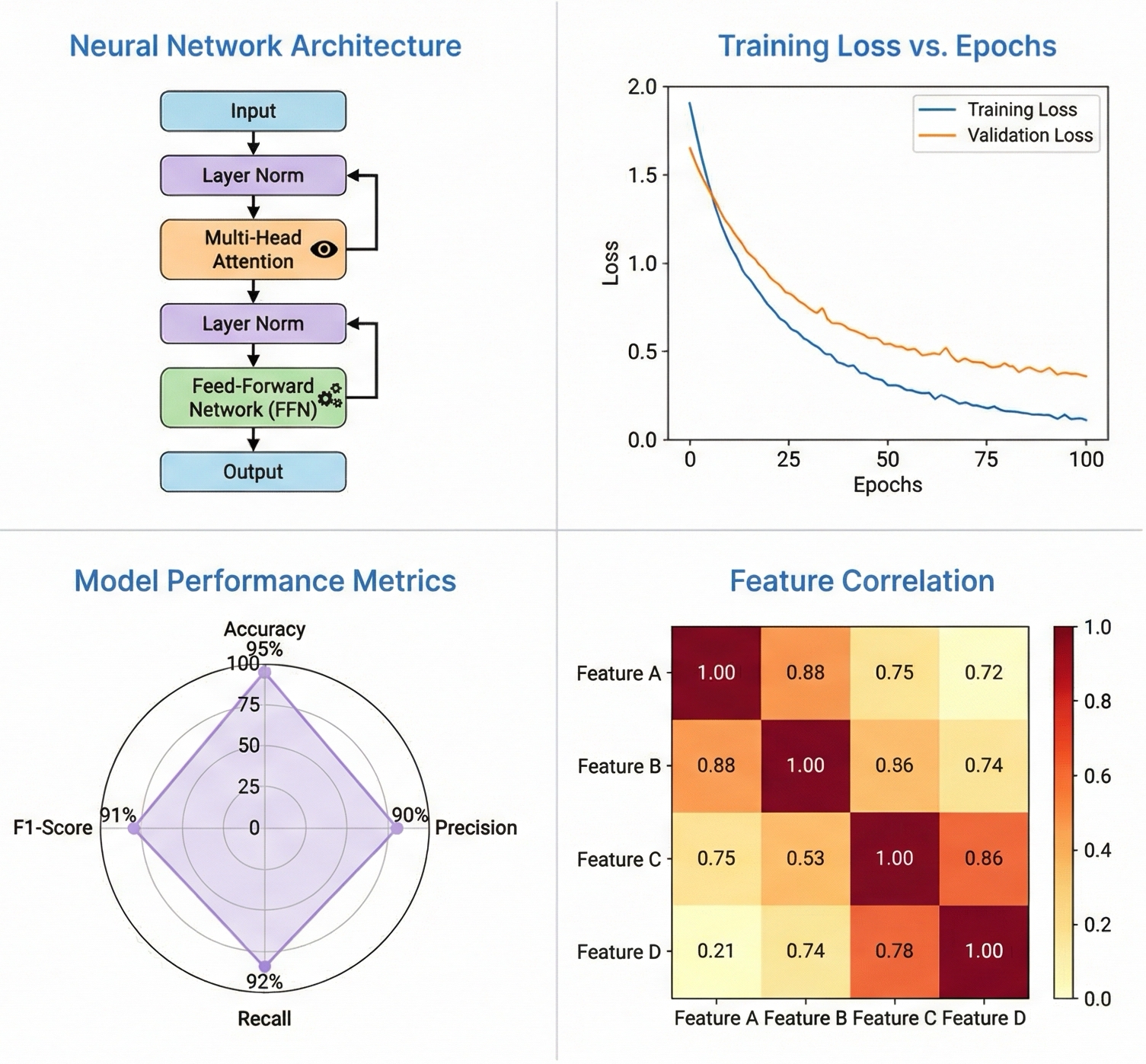
Check the same labels and relationships when building the figure manually. Check generated text and numerical values. A visually plausible chart does not establish that its axes or proportions preserve the supplied data.
Common questions
What is a nano banana paper workflow?
A nano banana paper workflow describes using AI-assisted visual drafting while preparing an academic paper. A useful workflow starts from the study context and produces a draft that authors can inspect, revise, and validate before publication.
Can PaperBanana help with paper figures?
Yes. PaperBanana helps research teams draft method diagrams, system workflows, model architecture visuals, charts, and explanatory figures from structured study context and figure intent.
What should I provide for a research figure draft?
Provide the figure's main takeaway, relevant study context, required terminology, data or method details, intended reader, required labels, and output constraints. A specific brief makes the draft easier to review.
Can an AI-generated figure be used in an academic paper without review?
No. Authors should verify scientific accuracy, data representation, labels, citations or permissions, accessibility, and journal or conference requirements before using a generated figure in a final paper.
Is PaperBanana a replacement for manuscript figure review?
No. PaperBanana provides a structured draft and a starting point for discussion. Human authors and reviewers remain responsible for the figure's scientific correctness and final publication readiness.
What should I check in this figure?
Check generated text and numerical values. A visually plausible chart does not establish that its axes or proportions preserve the supplied data.
Related research figure guides
Continue with the guide that matches the next decision in your figure workflow.